Maxwell Labs photonic chip cooling

A Photonic Cooling Company

Once in a generation
physics opens a door
no one knew existed

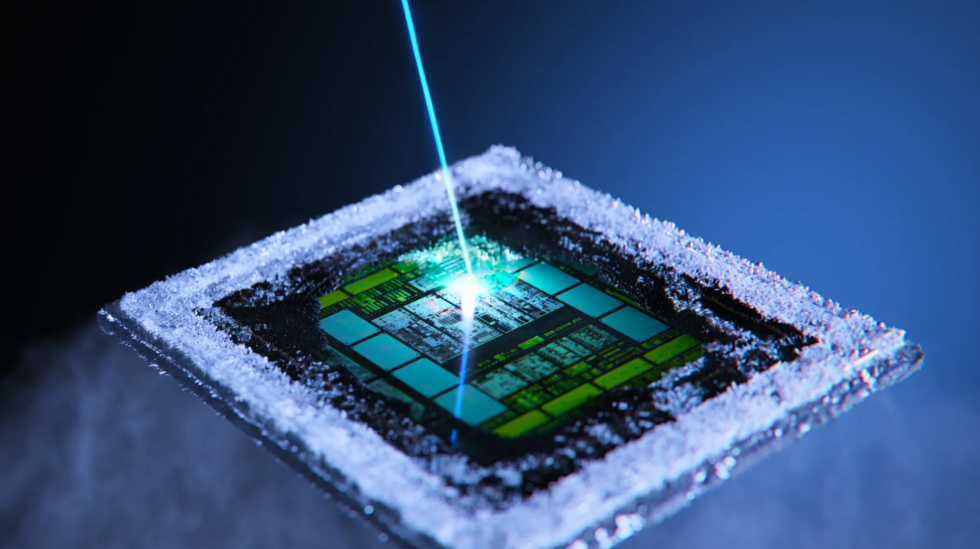
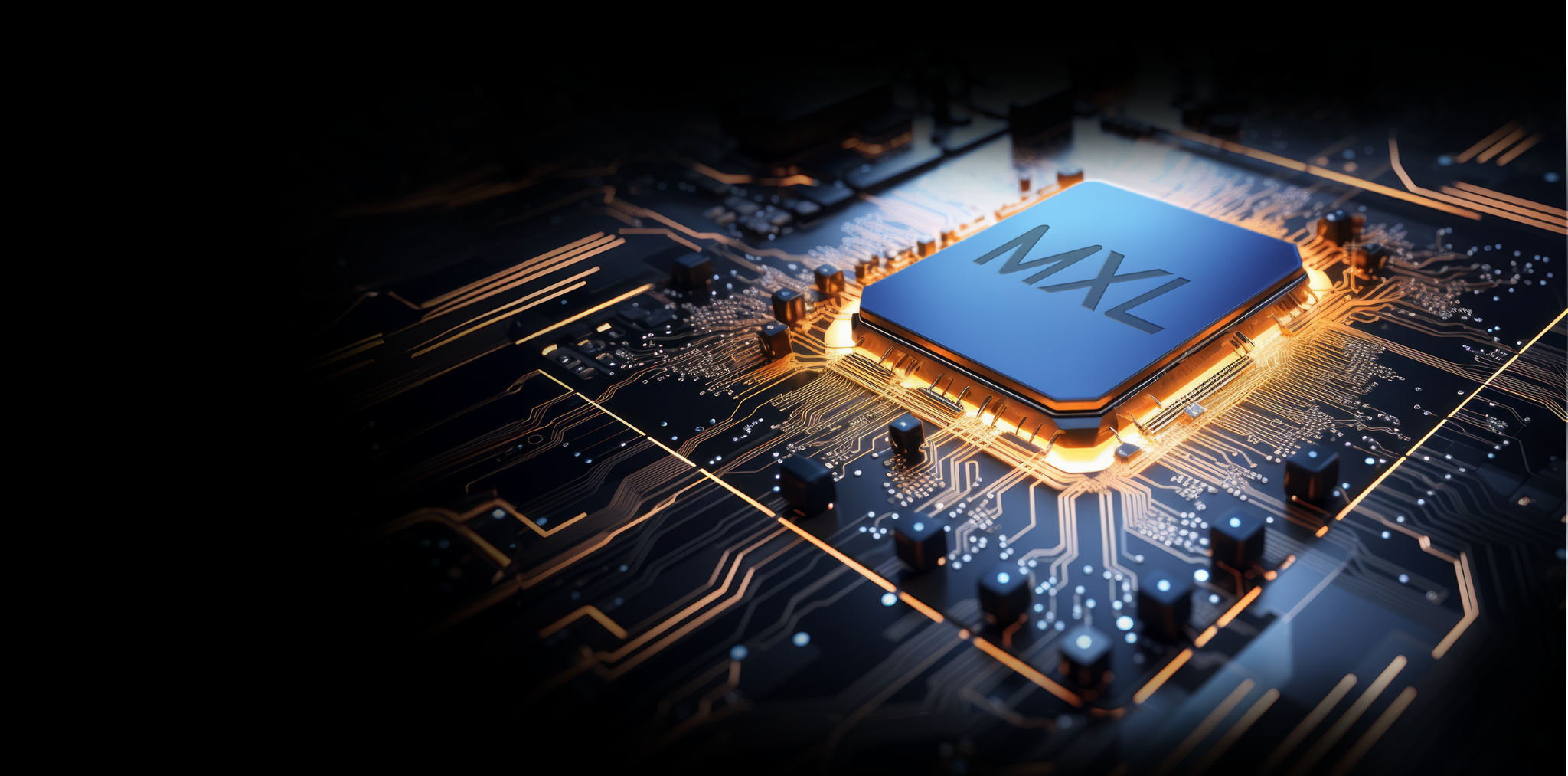
Maxwell Labs is a deep-tech photonics company pioneering a new physical mechanism that uses light to extract heat directly from solid materials — Photonic Cooling. A fundamental breakthrough for the density era of computing.

Scroll

Trusted Partners & Collaborators


Sandia National Laboratories
University of New Mexico
Princeton University
MIT
CINT
U.S. Department of War
Sandia National Laboratories
University of New Mexico
Princeton University
MIT
CINT
U.S. Department of War

WHY PHOTONIC COOLING

Physics That Changes
What's Possible.

Photonic Cooling is not an incremental improvement. It is a new physical cooling mechanism — one that unlocks capabilities no existing cooling technology can match.

COOLING POWER DENSITY

1,000+ W/mm²
Cooling Power Density.

Photonic Cooling is capable of delivering 1,000 W/mm² of heat flux — orders of magnitude beyond the limits of conventional liquid cooling. Enabling chip designs that were previously thermally impossible.

DYNAMIC TARGETED COOLING

Cool Exactly Where
Heat is Generated.

The laser steers in real-time to hotspot locations as workloads shift. No thermal spreading, no lag — just precise, dynamic cooling directed exactly where the chip needs it most.

SOLID-STATE ARCHITECTURE

No Fluids.
No Moving Parts.

A fully solid-state system eliminates pumps, pipes, and coolant loops. Dramatically lower failure rates, simpler integration, and zero risk of leaks in mission-critical environments.

ENERGY RECOVERY

Net Energy Gain.
Not Just Savings.

Photonic Cooling recovers waste heat coming out as light — significantly reducing cooling costs by generating energy from waste heat recovered in the form of light to electrical conversion.

CHIP PERFORMANCE UNLOCK

End Dark Silicon.
Unleash Full Frequency.

Thermal limits force up to 50% of chip area to remain powered down. Photonic Cooling removes the thermal ceiling — enabling every transistor to run at full clock speed, simultaneously.

THE PHOTONIC LINEAGE

The 4th Pillar of Photonics.

We've mastered harvesting light, generating light, and emitting light. Now, we use light to cool.

1950s

Solar Cell

Chapin, Fuller & Pearson · Bell Labs

Converting light into energy. Powering the renewable revolution.

RENEWABLE ENERGY
1960s

The Laser

Theodore Maiman · Hughes Research Labs

Coherent light generation. Revolutionized communication and manufacturing.

TELECOM & MANUFACTURING
1990s

The LED

Nick Holonyak Jr. · General Electric

Efficient light emission at scale. Transformed global lighting and displays.

GLOBAL LIGHTING
2020s

THE Photonic Coldplate

Pioneered by Maxwell Labs

Using laser light to extract heat directly from semiconductor lattices. A new physical mechanism — and a new industry.

MAXWELL LABS · NOW

WHY PHOTONIC COOLING

Physics That Changes
What's Possible.

Photonic Cooling is not an incremental improvement. It is a new physical cooling mechanism — one that unlocks capabilities no existing cooling technology can match.

COOLING POWER DENSITY

1,000+ W/mm²
Cooling Power Density.

Photonic Cooling is capable of delivering 1,000 W/mm² of heat flux — orders of magnitude beyond the limits of conventional liquid cooling. Enabling chip designs that were previously thermally impossible.

DYNAMIC TARGETED COOLING

Cool Exactly Where
Heat is Generated.

The laser steers in real-time to hotspot locations as workloads shift. No thermal spreading, no lag — just precise, dynamic cooling directed exactly where the chip needs it most.

SOLID-STATE ARCHITECTURE

No Fluids.
No Moving Parts.

A fully solid-state system eliminates pumps, pipes, and coolant loops. Dramatically lower failure rates, simpler integration, and zero risk of leaks in mission-critical environments.

ENERGY RECOVERY

Waste Heat
Becomes Power.

The photonic process converts extracted heat into recoverable energy. Data centers can recapture a portion of cooling energy, reducing net power consumption at scale.

CHIP PERFORMANCE UNLOCK

End Dark Silicon.
Unleash Full Frequency.

Thermal limits force up to 50% of chip area to remain powered down. Photonic Cooling removes the thermal ceiling — enabling every transistor to run at full clock speed, simultaneously.

HOW IT WORKS

Cooling at the
Speed of Light.

MXL's Photonic Cooling Platform uses laser light — not fluids, not fans — to extract heat directly from semiconductor lattices at the quantum level. Five integrated components working in concert can deliver upwards of 1,000+ W/mm² of cooling power density with zero moving parts and net energy recovery.

THE SYSTEM — END TO END

01

ENERGY SOURCE

High-Power Laser

A precisely tuned laser generates low-energy (red) photons at a specific wavelength matched to the target material's quantum absorption band. This is the energy input that initiates the cooling cycle.

02

LIGHT DELIVERY

Fiber Optic Cables

Ultra-low-loss fiber optic cables carry the laser light from the source to the chip package with minimal attenuation. Fiber eliminates the need for direct line-of-sight and allows the laser to be located remotely from the heat source.

03

PRECISION ROUTING

Photonic Interconnects

A precisely engineered photonic network (waveguide optical bus) routes laser light across the chip surface with nanoscale precision. Computer-optimized nanophotonic structures direct energy to exact thermal hotspots — targeting heat where it forms, not where it accumulates.

04

HEAT EXTRACTION

MXL Photonic Cold Plate

The heart of the system. The MXL Photonic Cold Plate sits directly on the chip package. Thin-film pixels — inverse-designed nanophotonic structures — absorb incoming laser photons and trigger Anti-Stokes fluorescence: emitted photons carry more energy than absorbed photons, extracting thermal energy directly from the semiconductor lattice.

05

ENERGY RECOVERY

Laser Power Converter

The emitted high-energy photons are captured by a laser power converter (photovoltaic cell tuned to the emission wavelength). This significantly reduces cooling costs by generating energy from waste heat recovered in the form of light to electrical conversion — rather than simply dissipating it.

THE PHYSICS — ANTI-STOKES FLUORESCENCE COOLING

1
1

Laser Absorption

A low-energy (red) photon is absorbed by the thin-film pixel, exciting an electron to an intermediate quantum state.

2
2

Phonon Scattering

The atom draws in thermal lattice energy (phonons — heat) to further excite the electron into a higher quantum state.

3
3

Blue Emission

A higher-energy (blue) photon is emitted — carrying the absorbed heat permanently out of the material. Net result: the chip is colder.

Click any step to explore

E₁

Low Energy

Laser Absorption

A precisely tuned laser fires low-energy photons at a wavelength matched to the semiconductor's quantum absorption band. The photon enters the material and excites an electron from its ground state to an intermediate energy level E₁.

+ħΩ

Thermal Energy

Phonon Coupling

The excited electron couples with a phonon — a quantum of lattice vibration (heat). This thermal energy ħΩ is absorbed from the surrounding crystal lattice, boosting the electron to a higher excited state E₂. The lattice cools.

E₂

High Energy · E₂ > E₁

Anti-Stokes Emission

The electron relaxes from E₂ back to ground state by emitting a single high-energy (blue) photon. This photon carries E₂ − E₁ more energy than was put in — the difference is heat permanently extracted from the lattice. Repeat billions of times per second.

RED PHOTON IN

E1

Low Energy

E1 = ℏω

PHONON
ABSORBED

+ħΩ heat
from lattice

BLUE PHOTON OUT

E2

High Energy

E2 = E1 + ℏω

Emitted photons carry more energy than absorbed photons. The difference (E₂ − E₁) is thermal energy extracted permanently from the semiconductor lattice. No fluids. No moving parts. Pure quantum thermodynamics.

THE THERMAL CRISIS
WHY AI HAS A CEILING

AI Is Running
Into a Wall
It Built
Itself.

AI is the most power-hungry technology ever built — and it's getting worse every year. More power means more heat. More heat means chips throttle themselves to survive. And the only fix is a more powerful chip that generates even more heat. This isn't a temporary engineering problem. It's a closed loop with no exit.

GPU power draw growth in a single decade — from 300W to over 2,000W per chip
1–2 MWPower draw of next-generation AI racks — equivalent to a small power plant
50+ W/mm²Chip hotspot heat flux projected by 2030 — beyond what any existing cooling can handle

FORCE 01

Energy

AI chip power draw has grown 7× in a decade — from 300W to over 2,000W per GPU. Data centers now consume more electricity than many nations, and demand is accelerating with no plateau in sight.

DRIVES

FORCE 02

Heat

Transistor-level hotspots now exceed 20 W/mm² — already pushing the limits of liquid cooling. By 2030, that number reaches 50+ W/mm². No fluid-based system can follow that trajectory.

LIMITS

FORCE 03

Performance

Heat forces up to 50% of chip area to remain powered off — dark silicon. Clock speeds are throttled. The performance AI demands is being actively strangled by a thermal ceiling that keeps getting lower.

FORCE 01

Energy

AI chip power draw has grown 7× in a decade — from 300W to over 2,000W per GPU. Data centers now consume more electricity than many nations, and demand is accelerating with no plateau in sight.

FORCE 02

Heat

Transistor-level hotspots now exceed 20 W/mm² — already pushing the limits of liquid cooling. By 2030, that number reaches 50+ W/mm². No fluid-based system can follow that trajectory.

FORCE 03

Performance

Heat forces up to 50% of chip area to remain powered off — dark silicon. Clock speeds are throttled. The performance AI demands is being actively strangled by a thermal ceiling that keeps getting lower.

THE LOOP CLOSES HERE

No Way Out. Until Now.

More performance demands more energy. More energy generates more heat. More heat destroys performance. There is no exit — unless you break the physics.

THE NUMBERS — HOW FAST IT'S COMING

power growth in one decade — 300W → 2,300W per chip
Volta (2017)
300W
Ampere (2020)
400W
Hopper (2022)
700W
Blackwell (2024)
1,200W
Rubin (2026)projected
~2,300W
~1 MWnext-gen AI rack draw — equivalent to a small power plant
Standard Compute
~10 kW

2018

Early AI Cluster
~30 kW

2021

Dense GPU Rack
~80 kW

2023

Liquid-Cooled AI
~120 kW

2025

Next-Gen AI Rackprojected
~1 MW

2027+

50+ W/mm²projected hotspot heat flux by 2030 — beyond any existing cooling
2018
~1 W/mm²

Conventional cooling designed for this

2021
~5 W/mm²

Hotspot throttling emerging

Today
~20 W/mm²

Liquid cooling at its limit

2030+projected
50+ W/mm²

No fluid system can follow

THE BIGGER PICTURE

The Thermal Wall
Is the Ceiling
on Human Progress.

Every breakthrough we want — in medicine, in climate, in space, in intelligence — runs on compute. And compute runs on chips. And chips are hitting a wall made of heat. Maxwell Labs removes that wall.

01

COMPUTE

AI Without
Limits.

When chips no longer throttle themselves to survive, AI models can grow without bound. Drug discovery, climate modeling, materials science, autonomous systems — every field that runs on compute gets an upgrade.

02

ENERGY

Power That
Pays Back.

Photonic Cooling doesn't just remove heat — it recovers energy. Data centers that once consumed entire power grids can now run leaner, greener, and at a fraction of the cost. The energy transition gets a new ally.

03

CIVILIZATION

Progress,
Unthrottled.

The thermal wall is not just a chip problem. It is a ceiling on human progress. Every breakthrough we want — in medicine, in climate, in space — runs on compute. Remove the ceiling, and the pace of civilization accelerates.

THE MAXWELL LABS MISSION

"The thermal ceiling isn't an engineering problem.
It's a physics problem. And we're solving it."

MAXWELL LABS LEADERSHIP

Jacob Balma·Founder & CEO

Dr. Alejandro Rodriguez·Co-Founder & CTO

Mike Karpe·Co-Founder & CGO

Industry Impact

ONE TECHNOLOGY.
MANY FRONTIERS.

Six sectors where thermal limits are the binding constraint on performance, reliability, and scale — and where Photonic Cooling changes what is possible.
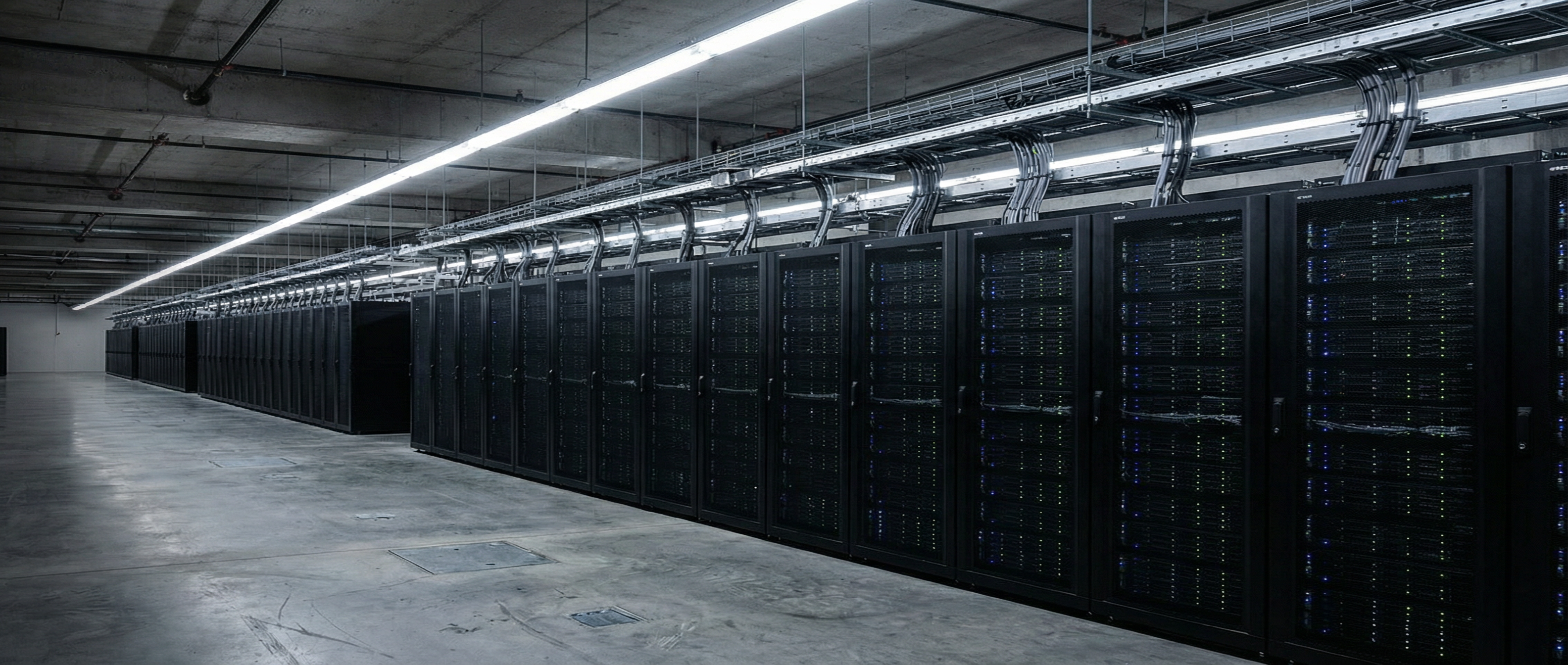
AI accelerators are hitting a thermal wall. Hotspot heat flux at the transistor level has grown 10× in five years — and no fluid-based system can follow. Photonic Cooling extracts heat directly at the chip surface, enabling the next generation of AI accelerators to run hotter, denser, and longer without liquid infrastructure.

1,000×Greater cooling density than liquid systems — enabling chip designs that were previously thermally impossible
Explore DATA CENTERS & AI →
DATA CENTERS & AI — photonic cooling application

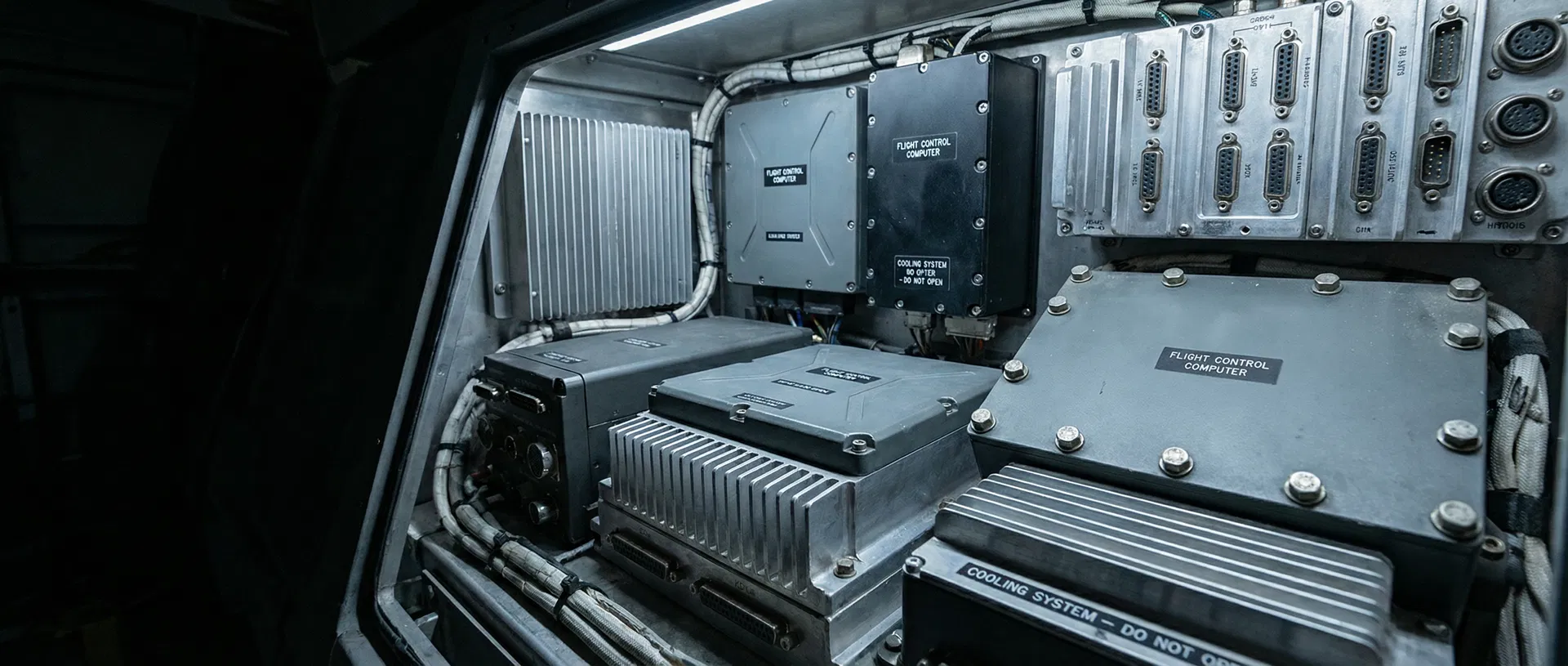
Defense systems demand maximum performance in minimum size and weight — with zero tolerance for fluid leaks or maintenance cycles. Photonic Cooling is solid-state, passive, and requires no coolant. It enables higher output power in radar, directed energy, and avionics systems while reducing SWaP-C and eliminating the single-point failure of liquid loops.

ZEROMoving parts, fluids, or maintenance cycles — solid-state cooling for mission-critical environments
Explore DEFENSE & AEROSPACE →
DEFENSE & AEROSPACE — photonic cooling application

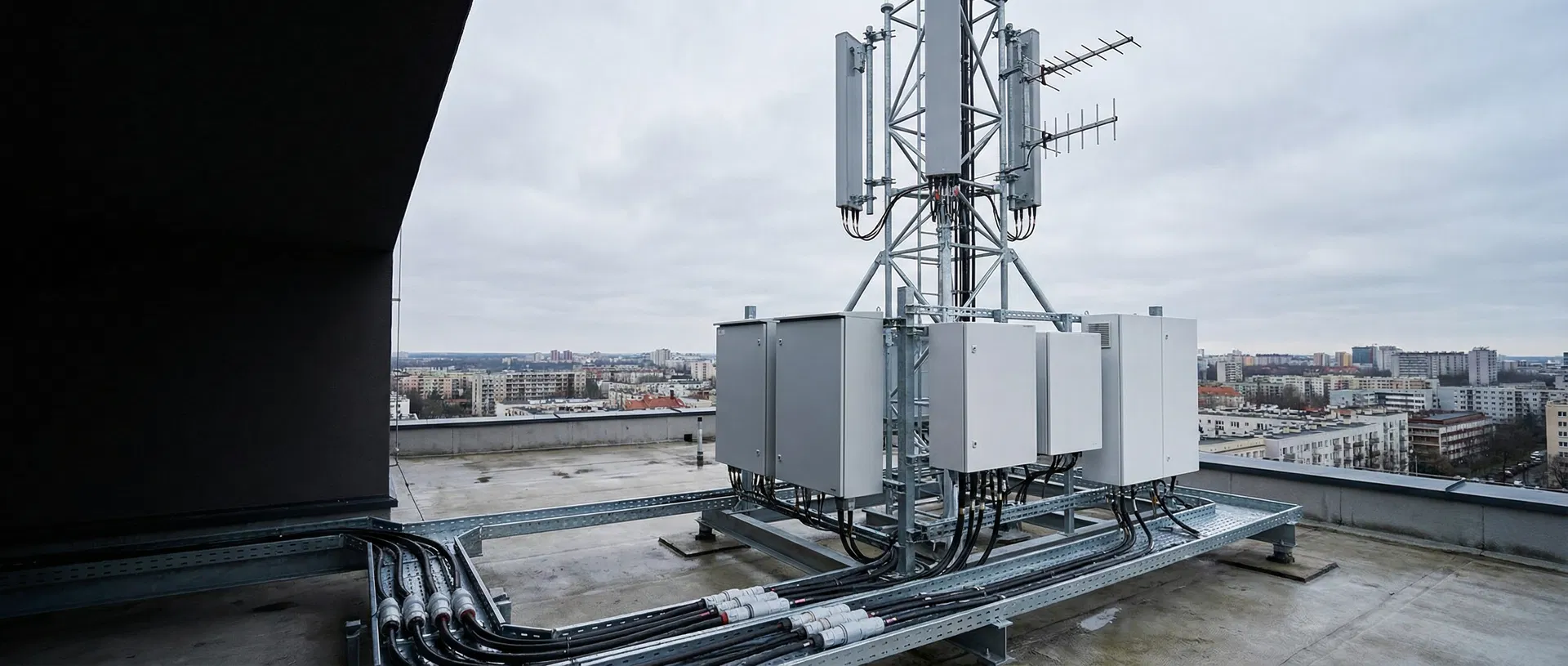
5G/6G RF amplifiers and edge AI nodes are thermally throttled by their own heat — and liquid cooling is not an option in the field. Photonic Cooling removes the thermal ceiling entirely, enabling higher output power, smaller form factors, and passive operation at the network edge. Compute can now go where cooling infrastructure cannot.

NO LIQUIDRequired — enabling AI inference and RF amplification in environments where fluid cooling is impossible
Explore MOBILE & EDGE →
MOBILE & EDGE — photonic cooling application

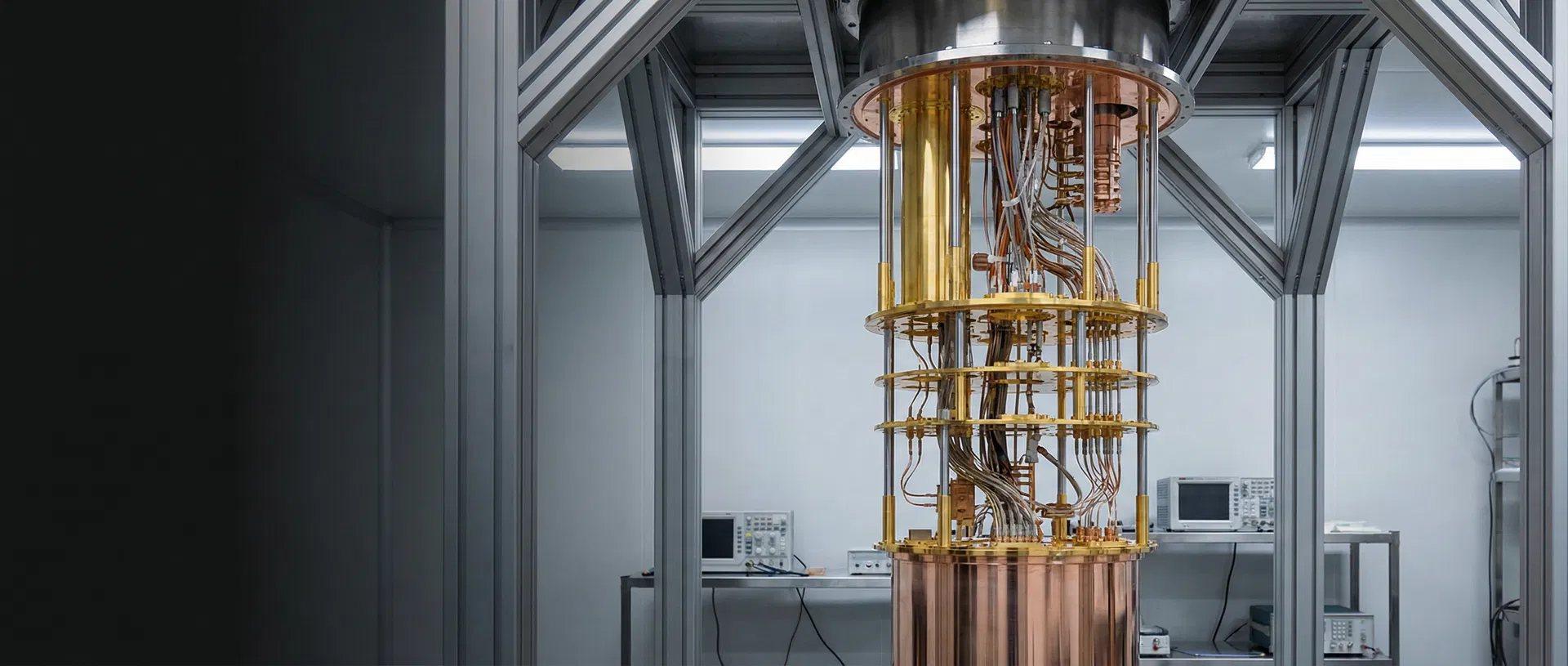
Quantum systems require near-absolute-zero operating temperatures — currently achieved through massive, expensive cryogenic infrastructure. Photonic laser cooling is a natural fit for qubit thermal management, offering a path to stable millikelvin operation without the bulk, cost, and complexity of traditional cryostats. A technology that could fundamentally change the economics of quantum scale-up.

mKMillikelvin operating temperatures achievable — without the bulk and cost of conventional cryogenic infrastructure
Explore QUANTUM COMPUTING →
QUANTUM COMPUTING — photonic cooling application

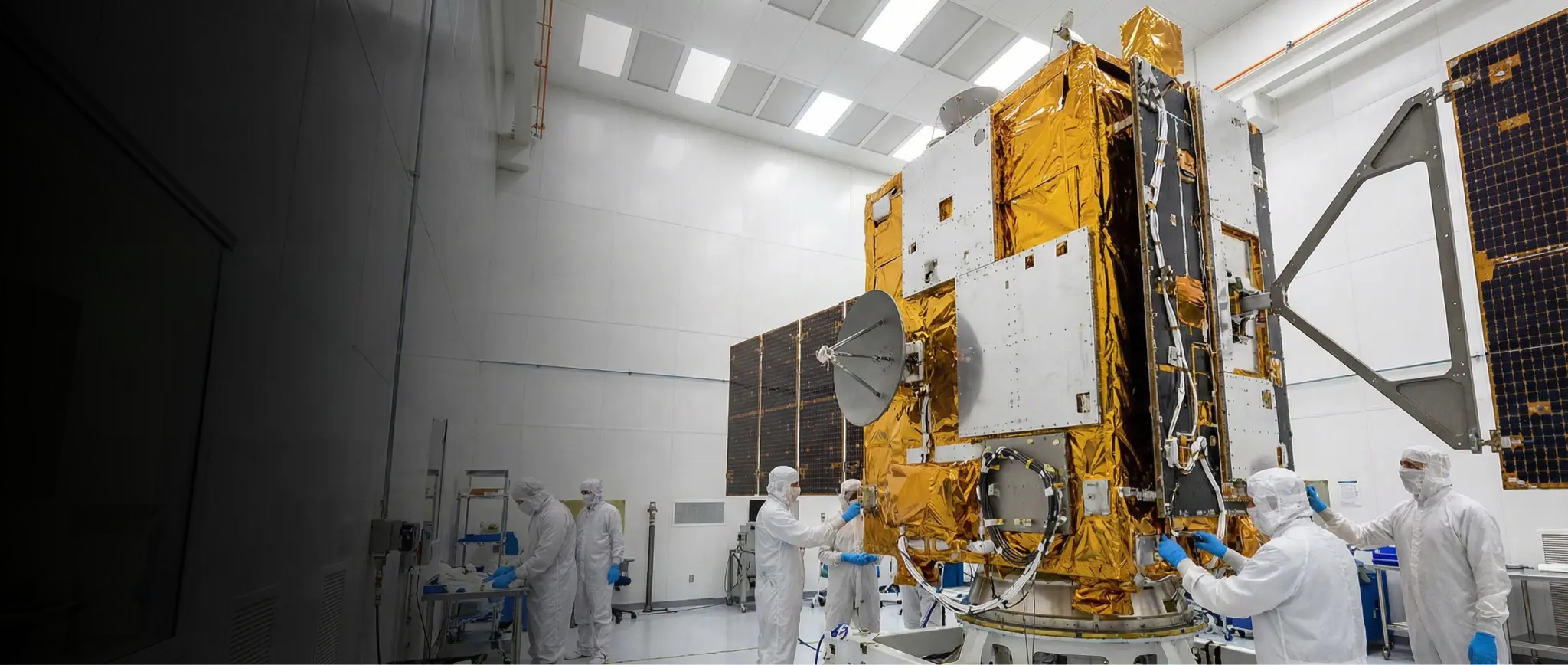
In the vacuum of space, conventional cooling fails entirely — no convection, no fluid loops, no maintenance. Satellite payloads must manage heat through radiation alone, severely constraining power density and performance. Photonic Cooling is mass-efficient, solid-state, and operates without any fluid infrastructure, making it uniquely suited for the extreme thermal environments of space and satellite systems.

SOLID-STATENo fluid loops, no moving parts — built for the vacuum environments where conventional cooling cannot operate
Explore SPACE & SATELLITE →
SPACE & SATELLITE — photonic cooling application

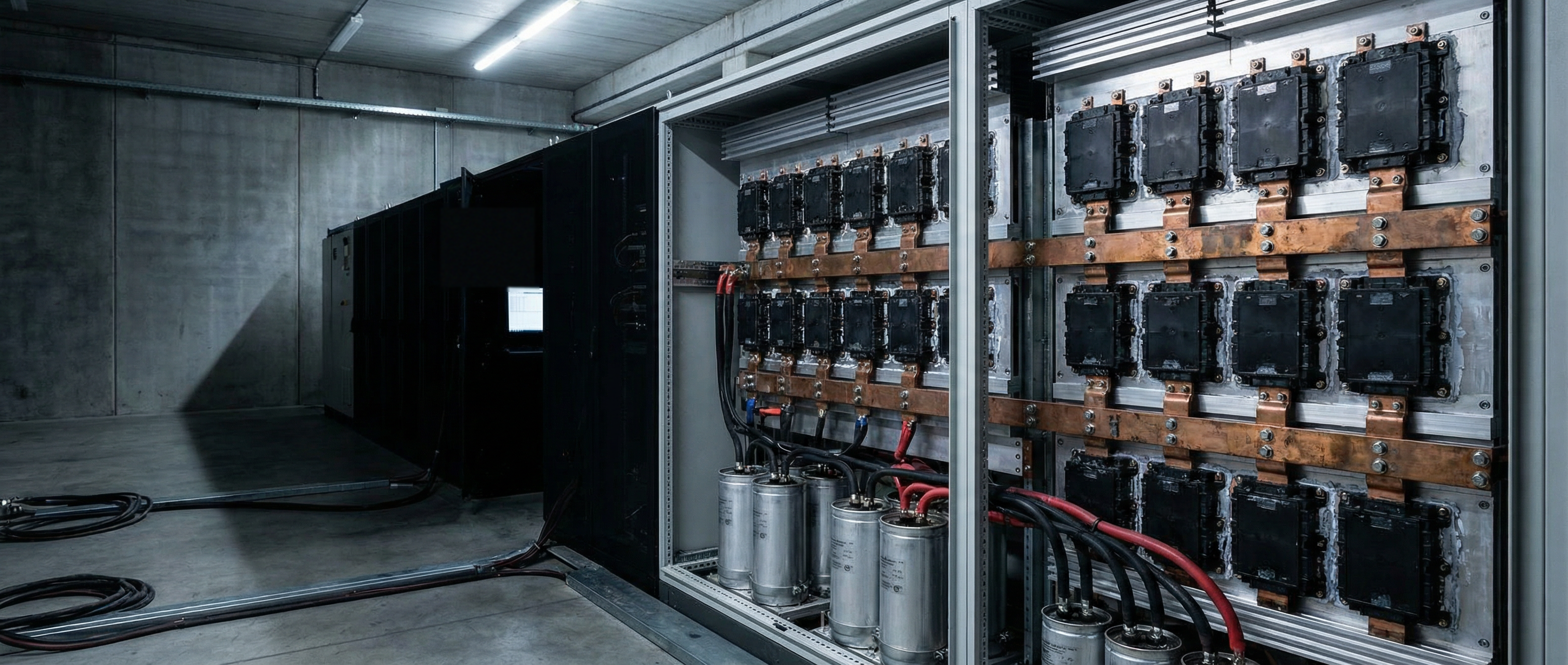
Thermal stress is the leading cause of failure in EV inverters, battery management systems, and grid-scale power conversion. Conventional cooling adds weight, complexity, and maintenance overhead. Photonic Cooling extends the thermal operating limit at the component level — enabling higher power density, longer service life, and simpler system architecture across the energy transition.

#1Cause of power electronics failure is thermal stress — Photonic Cooling addresses it at the source
Explore POWER ELECTRONICS & ENERGY →
POWER ELECTRONICS & ENERGY — photonic cooling application
View All Industries →

Leadership

The Founding Team.
Physics, HPC, and Growth.

Jacob Balma

Jacob Balma

Founder & CEO

Former HPC architect at Cray and HPE. Supported development of some of the world's most powerful high-performance computing systems.


CrayHPE
Dr. Alejandro Rodriguez

Dr. Alejandro Rodriguez

CTO & Co-Founder

MIT-trained physicist and Princeton professor. World-leading expert in photonics and heat transfer. Presidential Early Career Award for Scientists and Engineers (PECASE) recipient.

PrincetonMITHarvard
Mike Karpe

Mike Karpe

CGO & Co-Founder

15+ years scaling business development and growth across industrial and tech sectors. Operations and commercialization leader with deep experience building companies from the ground up.

R&D Team

Behind the founding team is a growing bench of world-class researchers and engineers. Maxwell Labs' R&D team includes experts in nanophotonics, condensed matter physics, computational mechanics, and optical systems engineering — with direct experience at Sandia National Laboratories, Los Alamos National Laboratory, Princeton, MIT, and the Center for Integrated Nanotechnologies. We are actively expanding our team as we progress from prototype to production.

Invest With Us

Invest in the Next
Physics Breakthrough.

Maxwell Labs is building the thermal infrastructure layer for the next era of AI and high-performance computing. We partner with investors who take a long view on deep technology.

Explore Investing →

Stay Informed

Get Company Updates.

Receive milestone announcements, technology updates, and early access to future investment opportunities.